Skip to content
Riwaaya

Destination weddings

A wedding that travels is a different job.

Not a harder one, but a different one. The rituals stay exactly as they were. Everything around them — rooms, roads, kitchens, permissions — has to be built from nothing at the other end.

Most of what makes a destination wedding go wrong has nothing to do with the wedding. It is a coach that leaves without four people. A room block that quietly shrank. A pandit who cannot get to the mandap because the service lift is holding flowers.

We plan those parts as carefully as the pheras. The venue is chosen after the guest list, not before it, because the number of rooms a family actually needs decides more than any photograph of a lawn ever will.

Riwaaya works across India from Chandigarh, and takes one wedding on the ground at a time. For a destination that matters more than usual: the whole team travels, and nobody on your wedding is also running someone else's that week.

A palace courtyard laid out for a wedding function at dusk.

Where we work

Asked for most often.

We plan weddings across India. These six come up in nearly every conversation, so they are written out properly — season, travel, and the trade-off nobody mentions in the brochure.
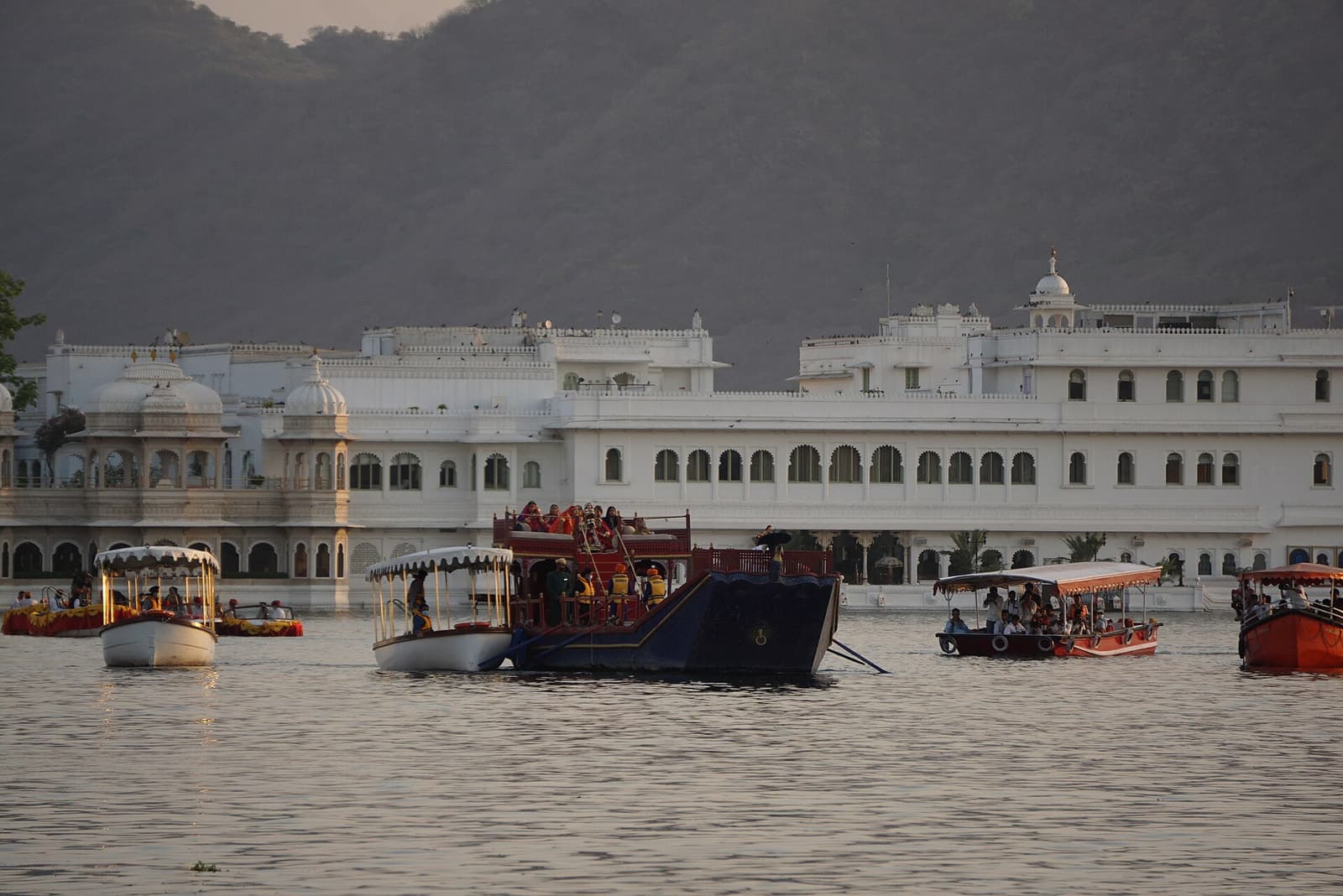
  1. A lakeside palace courtyard in Udaipur set for an evening function.

    Rajasthan

    Udaipur

    Lake palaces, courtyard havelis, and long golden evenings.

    The most asked-for destination in the country, and the most oversubscribed. Dates at the well-known palace properties go twelve to eighteen months ahead, so Udaipur is a decision you make early or not at all. Worth knowing: the ghat venues are beautiful and small. If your guest list runs past two hundred, the wedding usually splits across two properties and a boat transfer, which is a logistics problem before it is a romantic one.

    Season
    October to March
    Getting there
    Direct flights from Delhi and Mumbai, then 30–45 minutes by road.
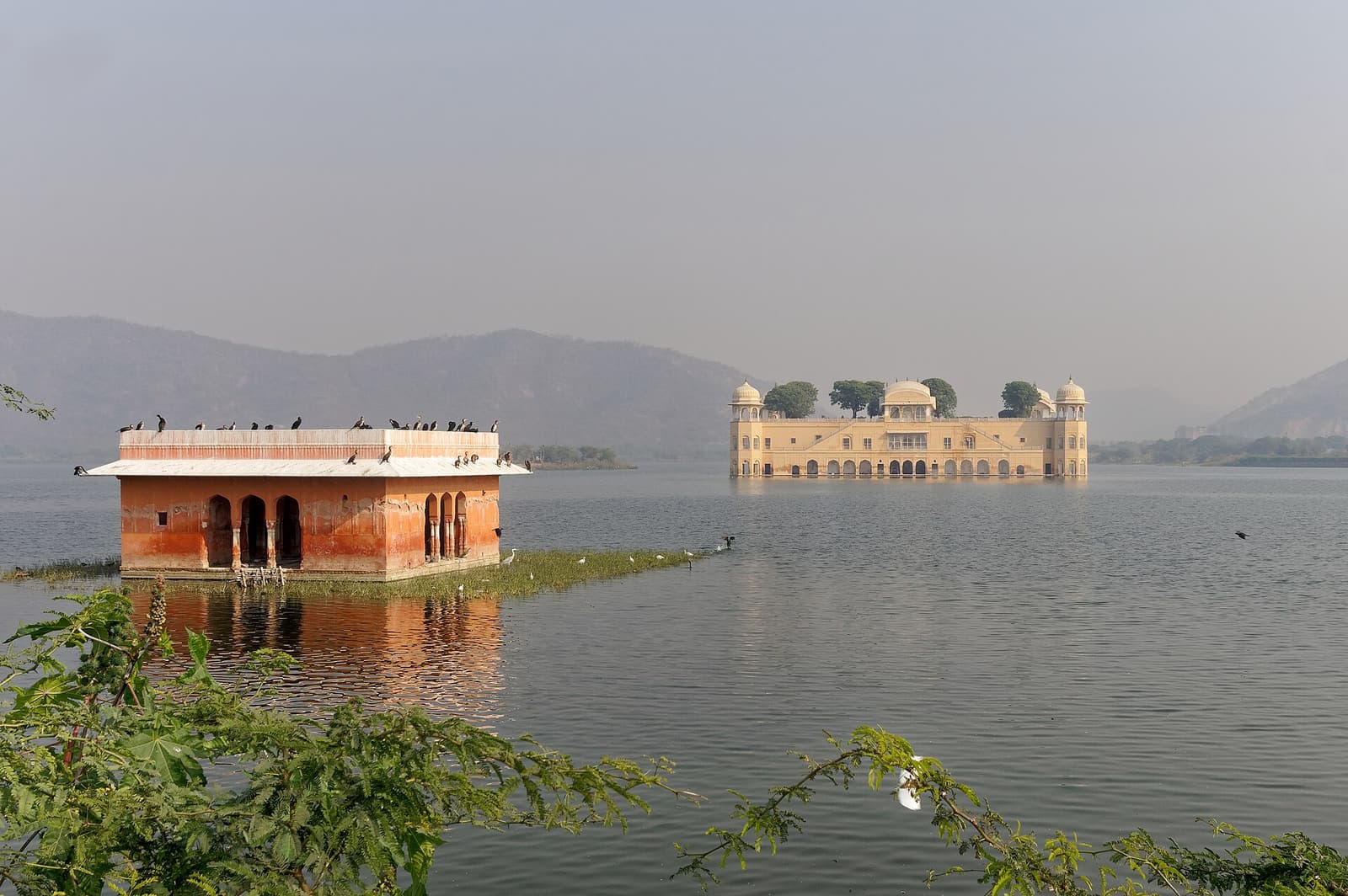
  2. A haveli courtyard in Jaipur with seating laid out for a mehndi.

    Rajasthan

    Jaipur

    Fort courtyards and city havelis, with the rooms to match.

    Jaipur does what Udaipur does, with more room and better roads. There are properties here that can hold three hundred guests on one site, which means no coach convoys between functions and no guests marooned at the wrong hotel. The forts on the edge of the city suit a sangeet; the havelis in the old town suit a mehndi that runs into the afternoon.

    Season
    October to March
    Getting there
    Direct flights from most metros; six hours by road from Chandigarh.
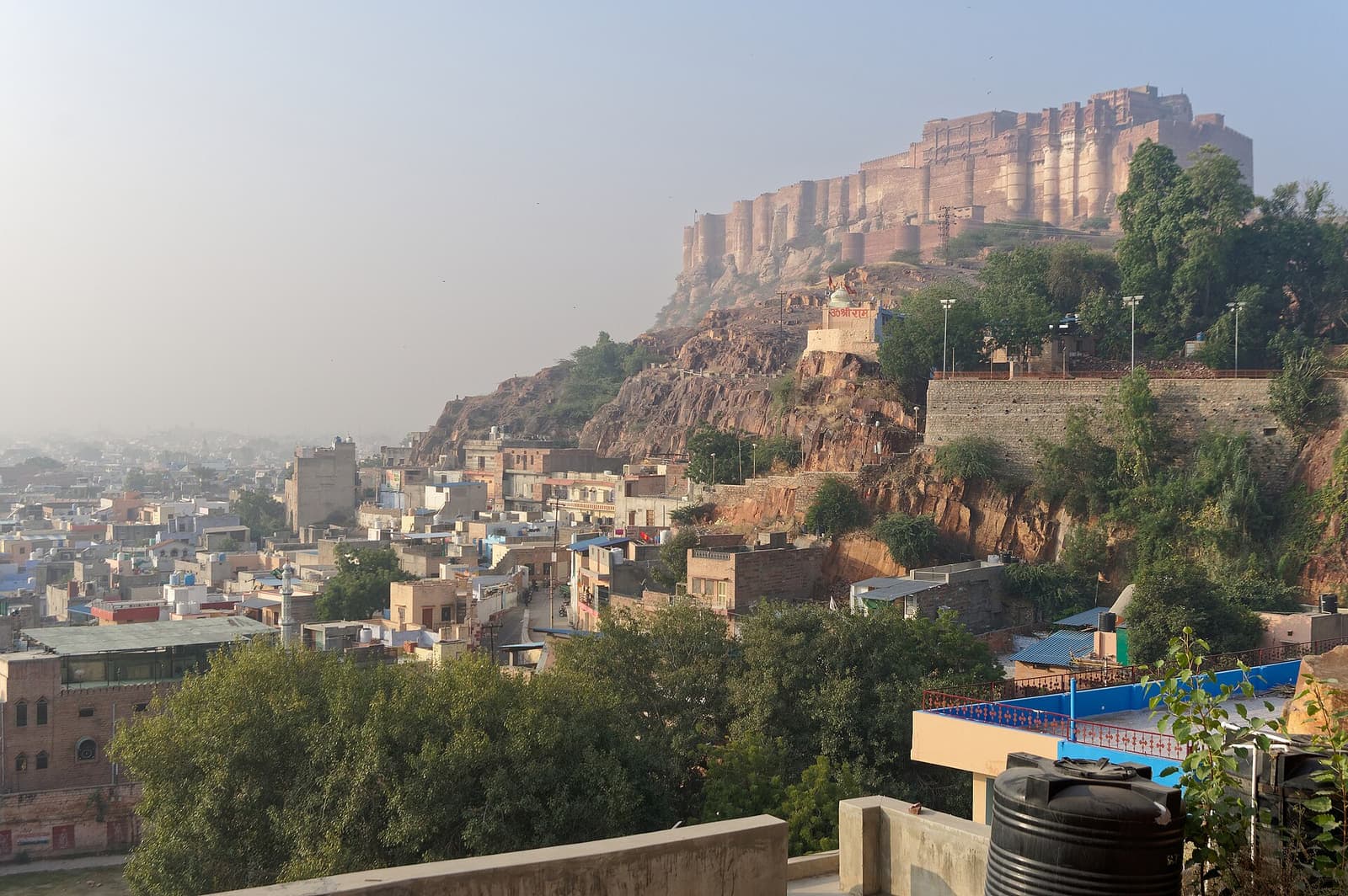
  3. A sandstone fort terrace in Jodhpur at first light.

    Rajasthan

    Jodhpur

    Sandstone, open desert light, and fewer weddings competing.

    Quieter than Udaipur and Jaipur, and photographs differently — the light is harder and the stone is warmer. Jodhpur suits families who want a fort wedding without the queue for one. The trade-off is depth of supply: there are fewer vendors on the ground, so more of the team and the equipment travels in with us, which shows up in the budget rather than in the day.

    Season
    November to February
    Getting there
    Flights via Delhi or Mumbai; the airport is 15 minutes from the city.
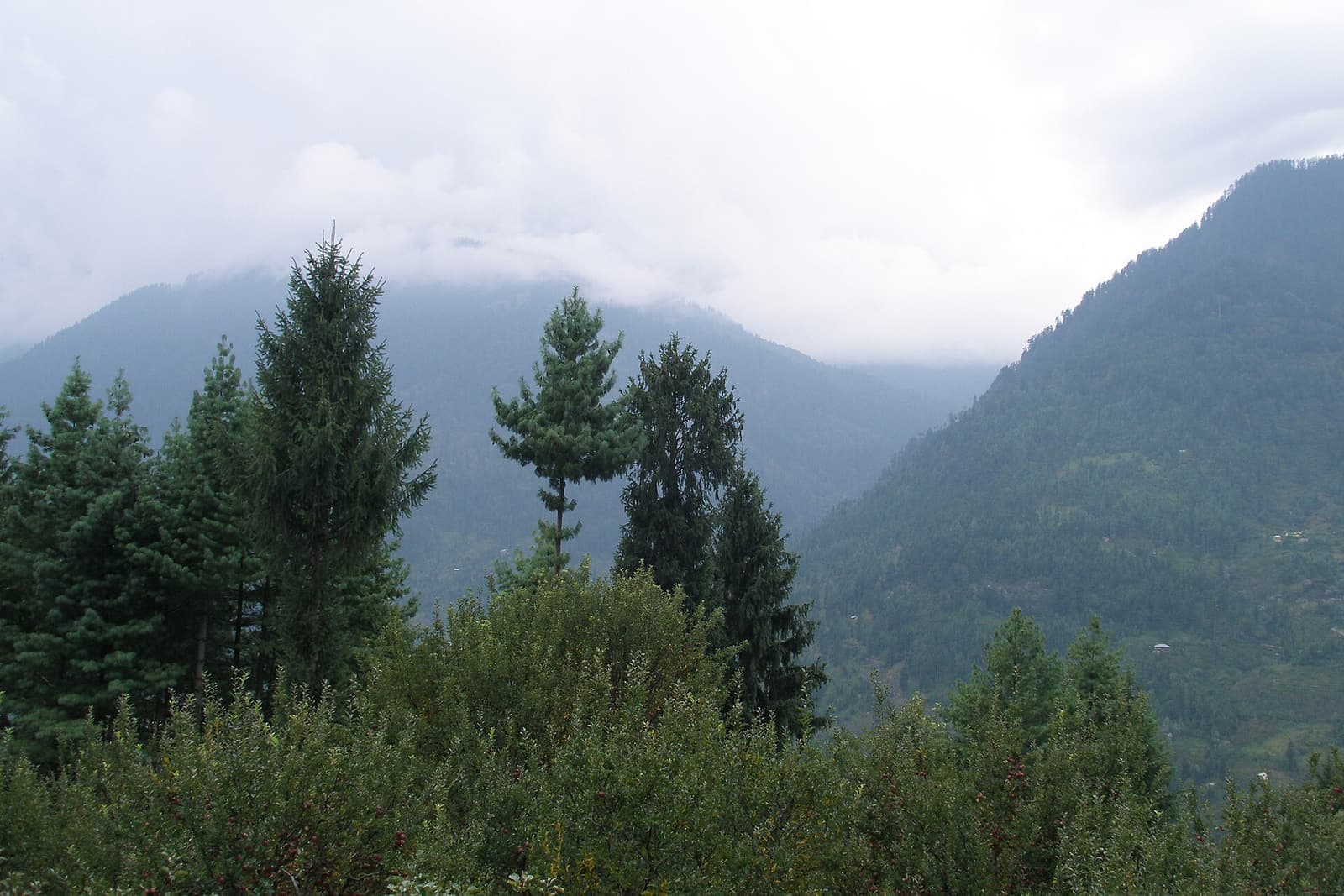
  4. A hillside lawn in the Himachal foothills laid for a morning function.

    Himachal Pradesh

    Kasauli and the foothills

    Deodar, cold mornings, and close enough to drive.

    Our home ground. Two hours from Chandigarh, which means the family can do a recce on a Saturday and elderly guests are not put on a flight. The properties are small — most cap out around a hundred and fifty — so this is a hill wedding for a guest list that was already going to be intimate. Plan for weather: an outdoor phera in February needs a covered fallback that looks like it was always the plan.

    Season
    March to June, and September to November
    Getting there
    Two hours by road from Chandigarh; the nearest airport is Chandigarh.
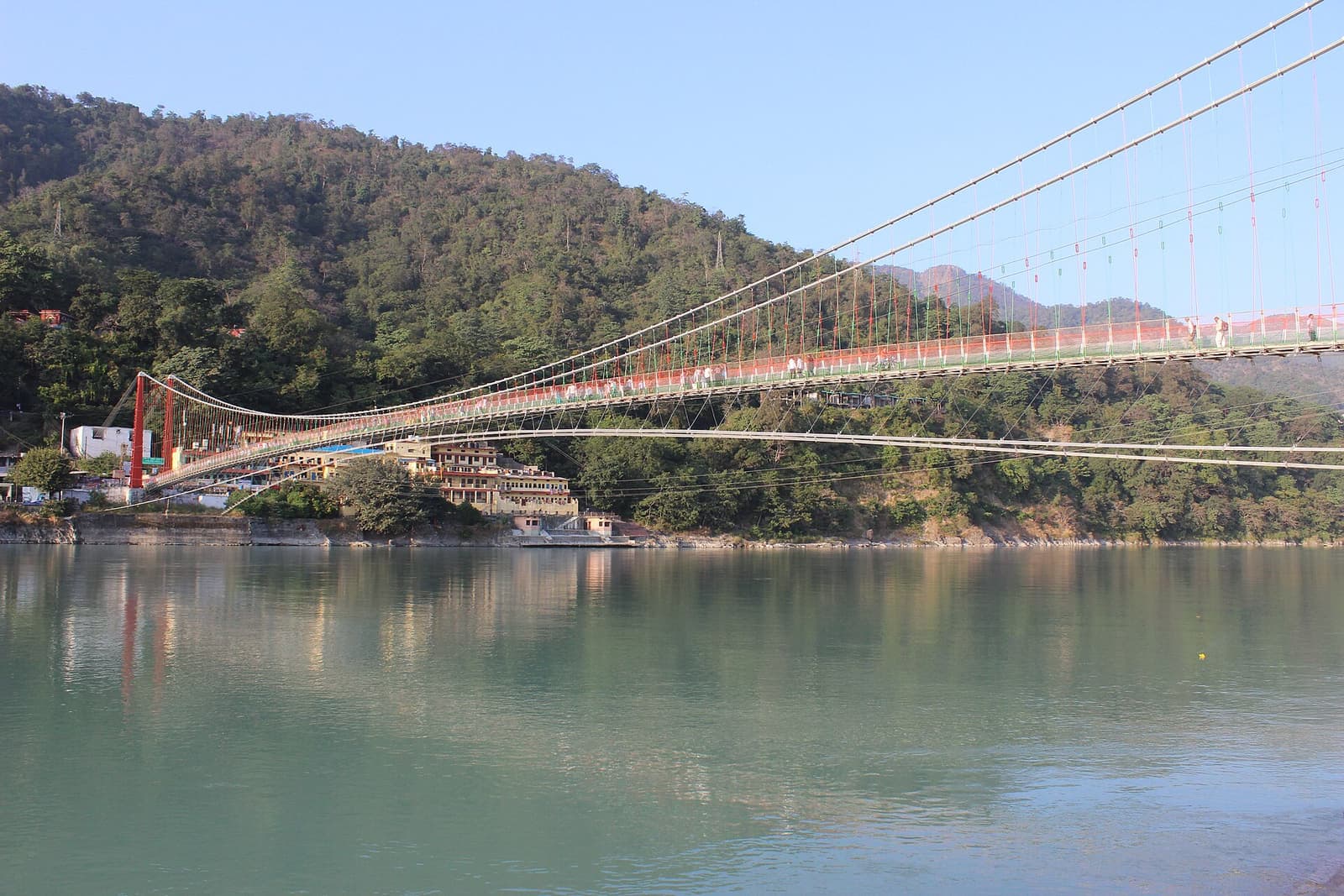
  5. A riverside terrace near Rishikesh set for an evening aarti.

    Uttarakhand

    Rishikesh

    The Ganga, and a baraat that comes down to the water.

    For families who want the ritual to sit where the ritual comes from. Riverside properties here are genuinely quiet, and a ganga aarti the evening before the wedding is something guests talk about for years. Two practical notes: many properties are dry and vegetarian by policy, and river-facing setups need permissions that take weeks. Both are workable, neither is a surprise we would let you find late.

    Season
    September to November, and February to April
    Getting there
    Flights to Dehradun, then 45 minutes by road.
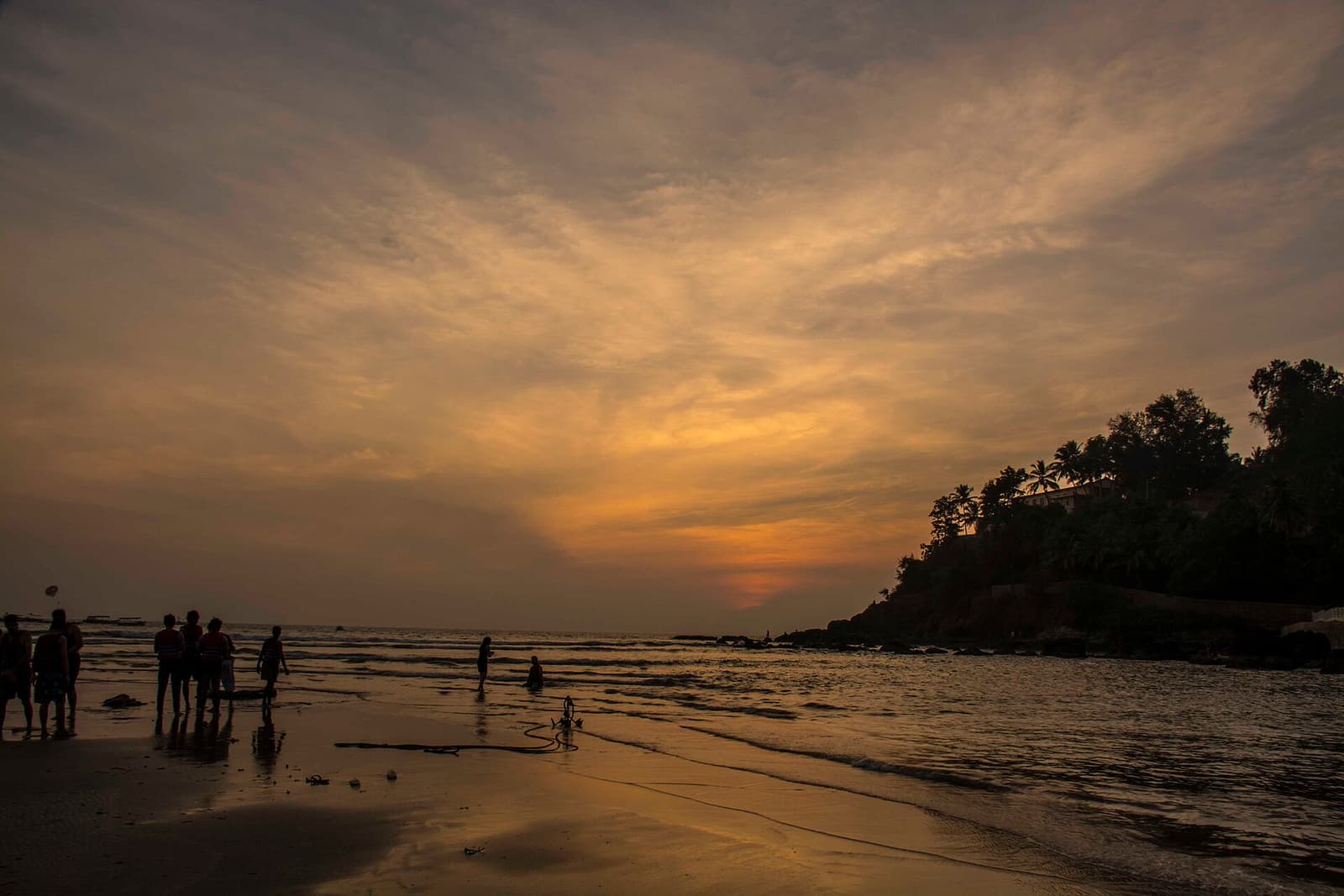
  6. A garden courtyard at a Portuguese-era house in Goa laid for dinner.

    West coast

    Goa

    Beach lawns, Portuguese-era houses, and an easier guest list.

    Goa is the one destination where guests plan to stay on afterwards, so treat it as a four-day event rather than a three-day one. Beach ceremonies need a sunset time and a wind plan, and both are checked on the recce rather than assumed. The old-town houses inland are the underrated option — cooler, more private, and better suited to a haldi than any beach has ever been.

    Season
    November to February
    Getting there
    Direct flights from every metro; 45–90 minutes by road from either airport.

Full coverage

Pan-India, out of Chandigarh.

Chandigarh is home and the shortest recce we do. Everywhere below is a place we will travel to, plan in full and staff with our own people — the same wedding, further from the office.

Punjab, Haryana & the capital

Driveable from the studio, so recces are cheap and repeatable.

The hills

Smaller properties, weather plans, and guest lists that stay intimate.

Rajasthan & the plains

Palace and fort properties, booked further ahead than anywhere else.

The coast & the south

Four-day events — guests plan to stay on afterwards.

Somewhere else in mind? Tell us where and we will say plainly whether we can staff it properly. Ask on WhatsApp

What changes

The wedding stays the same. The scaffolding does not.

Six things a destination adds to the job. None of them are visible on the day, which is the point of doing them well.
  • 01

    A recce before a rupee

    We walk the property with you, in the season you are marrying in, at the time of day each function will run. Photographs are taken for the file, not for a moodboard.

  • 02

    A rooming list, by name

    Every guest assigned to a room, with arrival and departure times, dietary notes and who is next to whom. It is the single document that prevents the most trouble.

  • 03

    Movement, planned to the minute

    Airport pickups, coach manifests, buggy routes inside the property, and a named person counting heads at each departure. Nobody is left behind at a Riwaaya wedding.

  • 04

    The team travels with you

    The same people you planned with are the people on site. We do not hand a destination wedding to a local coordinator on arrival and brief them by phone.

  • 05

    Local where local is better

    Bringing everyone from home is expensive and often worse. Flowers, labour and equipment are usually local; the decor lead, the kitchen supervisor and the showrunner are usually not.

  • 06

    One desk, always open

    A hospitality desk in the lobby from the first arrival to the last departure, with a number that a guest can call at three in the morning and get a person.

Choosing a venue

Six questions, in this order.

A venue is signed off against these before it is shown to you with a photograph attached.
  1. 01

    How many rooms, really

    Guest list first, venue second. A property that seats four hundred but sleeps ninety turns into two hotels, a coach schedule and a hospitality desk in each — a different wedding, and a different budget.

  2. 02

    Where each function sits

    Mehndi, haldi, sangeet, pheras and the reception all want different light, different noise tolerance and different floor. We map every function to a specific space on the recce, not to a name on a brochure.

  3. 03

    What the kitchen can hold

    In-house catering is a constraint, not a convenience. We check covers per hour, whether a separate satvik or jain kitchen is possible, and whether an outside caterer is allowed before the venue goes on the shortlist.

  4. 04

    How things get in and out

    Service lifts, loading times, generator siting, and whether a decor truck can reach the lawn. This is the least romantic paragraph on this page and the one that decides most days.

  5. 05

    What needs permission

    Sound curfews, drone clearance, open flame for the havan, river or beach access. All of it is confirmed in writing before a deposit is paid.

  6. 06

    What happens if it rains

    Every outdoor function gets a covered alternative that is dressed to the same standard. A wet-weather plan that looks like a compromise is not a plan.

What the venues are actually like in each region — types, guest ranges and the constraint that decides most of them — is set out on the wedding venues page.

Questions

Asked before every destination.

The general questions are answered on the home page. These are the ones that only come up when the wedding travels.

Twelve to eighteen months for a peak-season date at a well-known property, and nine months for most others. If your date is inside six months we will tell you honestly which destinations are still realistic rather than chase a deposit.

Next

Tell us the guest count first.

It decides more than the destination does. Send us a rough number and a month, and we will come back with three places that work.